
Scientific Name
Calendula arvensis M.Bieb.
Common Name(s)
Field Marigold
Synonym(s)
Calendula arvensis subsp. arvensis
Scientific Classification
Family: Asteraceae
Subfamily: Asteroideae
Tribe: Calenduleae
Genus: Calendula
Origin
Calendula arvensis is native to central and southern Europe.
Flower
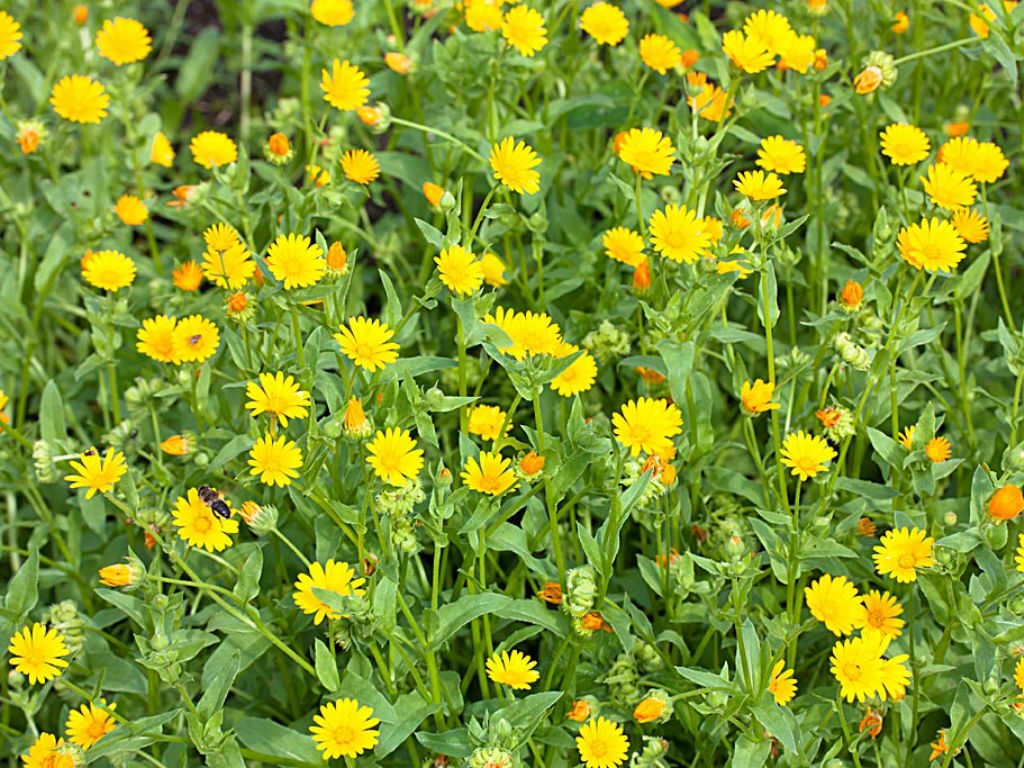
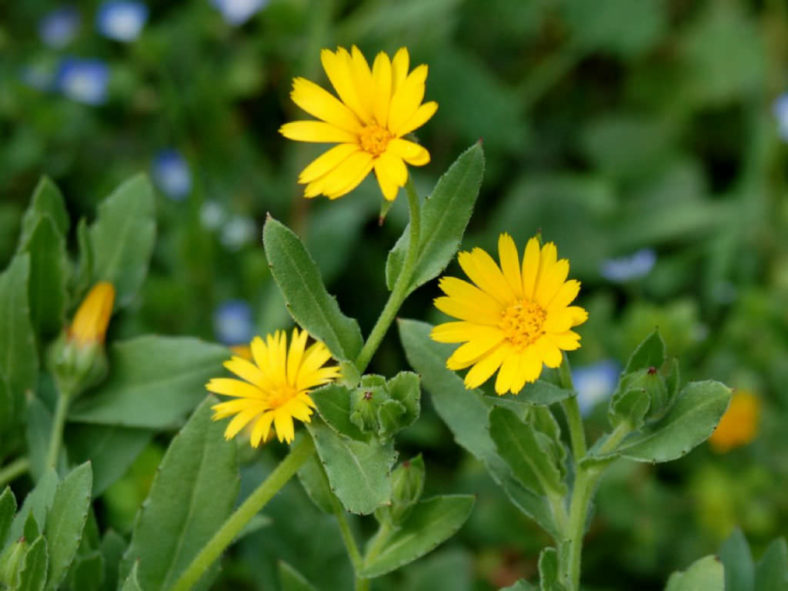
Color: Bright yellow to yellow-orange
Bloom Time: June to November
Description
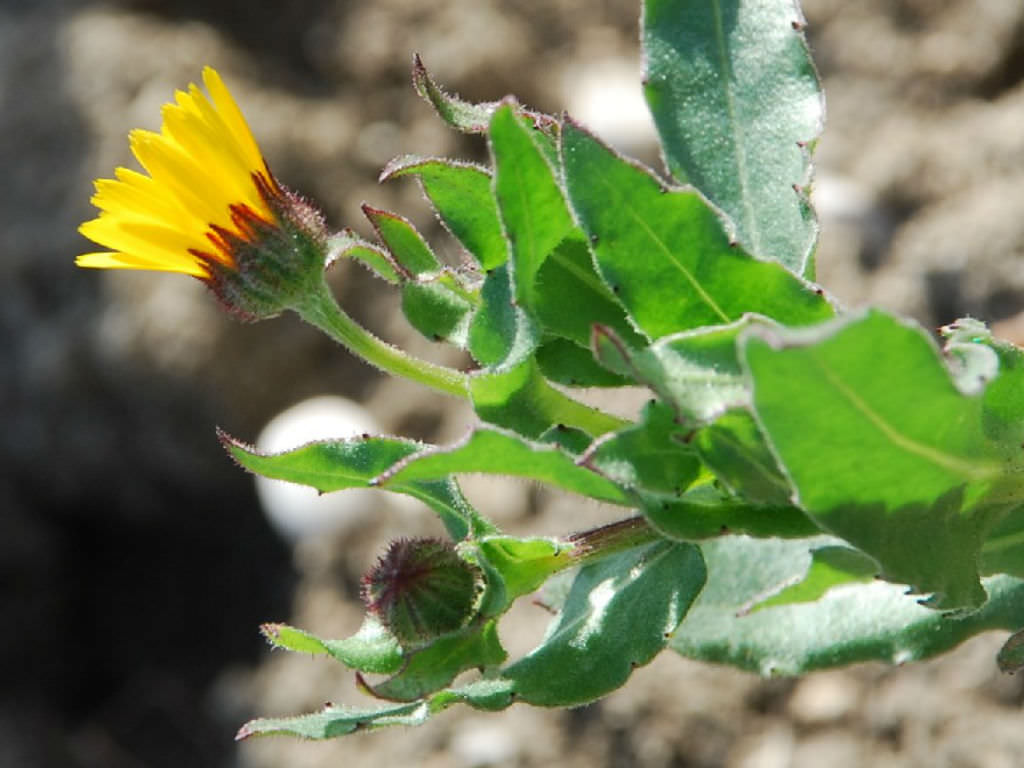
Calendula arvensis is an annual or biennial herb that grows up to 20 inches (50 cm) tall. Leaves are lance-shaped and borne on petioles from the slender, hairy stem.
The inflorescence is a single, up to 1.6 inches (4 cm) wide flower head with bright yellow to yellow-orange ray florets around a center of yellow disc florets. Fruits are achenes that can take any of three shapes, including ring-shaped.
How to Grow and Care for Calendula arvensis
The Calendula flower, or flowering herb, is an annual that will readily reseed. Too much care can result in stunted or slow plant growth. Poor to average, well-draining soil and only occasional watering after plants are established is the secret to growing prolific Calendula plants.
Like most herbs, Calendulas are adaptable and require little maintenance. Roots will often adapt to the space provided. The amazing Pot Marigold can be grown in containers or beds, from full sun to shade. As the Calendulas prefer cool temperatures, flowers last longer in filtered sun or shady areas.
If deadheaded regularly, this plant can bloom from spring through fall and beyond. In warmer areas, the Calendula may take a break from blooming during summer heat and then put on a show as temperatures fall in autumn. Regular pinching keeps the 1- to 3-foot (30 to 90 cm) plant bushy and prevents tall, spindly stalks.
See more at How to Grow and Care for Calendula.
Links
- Back to genus Calendula
- Plantpedia: Browse flowering plants by Scientific Name, Common Name, Genus, Family, USDA Hardiness Zone, or Origin
Photo Gallery