
Scientific Name
Helleborus lividus subsp. corsicus (Briq.) P.F.Yeo
Common Name(s)
Corsican Hellebore
Synonym(s)
Helleborus argutifolius, Helleborus corsicus, Helleborus lividus var. serratifolius, Helleborus trifolius subsp. corsicus, Helleborus trifolius var. serratifolius
Scientific Classification
Family: Ranunculaceae
Subfamily: Ranunculoideae
Tribe: Helleboreae
Genus: Helleborus
Origin
Helleborus lividus subsp. corsicus is native to France (Corsica).
Flower
Color: Green
Bloom Time: Late fall to spring
Description
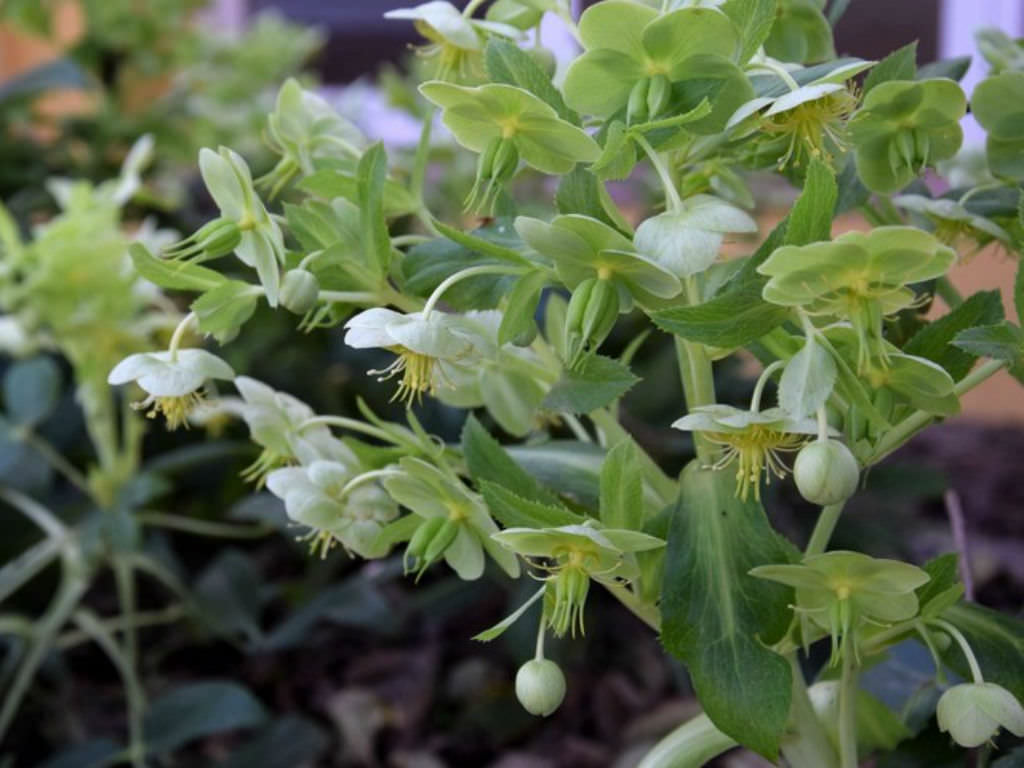
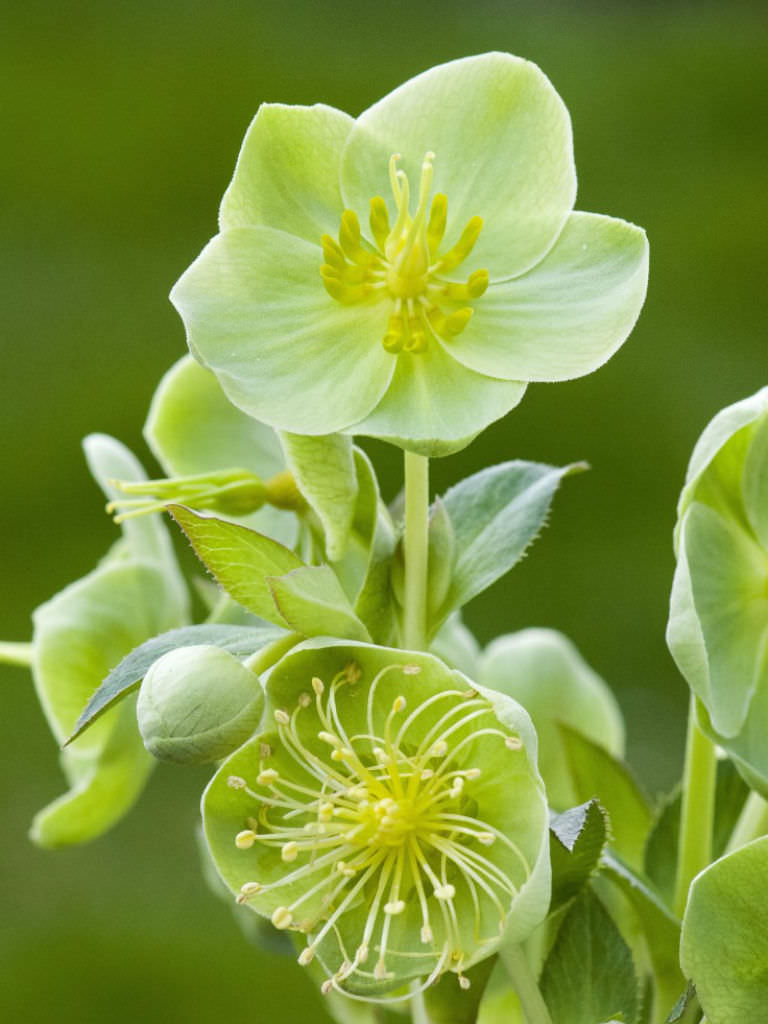
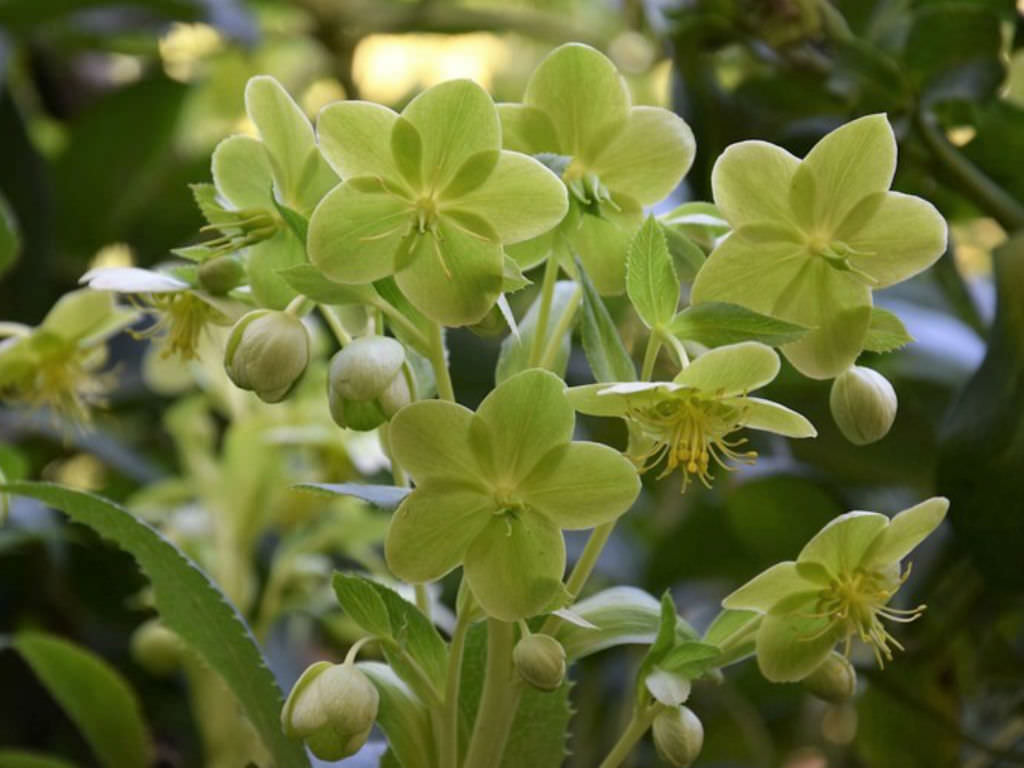
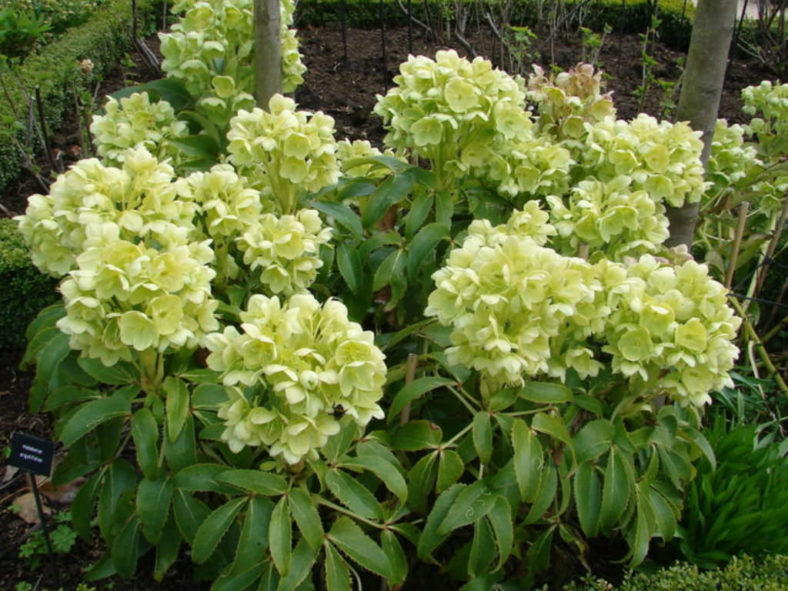
Helleborus lividus subsp. corsicus is a quick-growing, clumping evergreen perennial with leafy stems that grow up to 4 feet (1.2 m) tall. It bears large leaves with three individual leaflets marbled, blue-green above, somewhat purplish beneath, and noticeably toothed along the margins. Large light yellow-green flowers appear above the leaves in clusters from late fall to spring.
How to Grow and Care for Helleborus lividus subsp. corsicus
Hardiness: USDA hardiness zone 6a to 9b: from -10°F (-23.3°C) to 30°F (-1.1°C).
Place the Hellebore into well-draining, organic soil in filtered sun or a shady location when planting from seed or division. The Hellebore plant will return for many years; make sure the space can accommodate its growth and receives proper sunlight.
Hellebores need no more than a few hours of dappled light and grow successfully in shady areas. Plant the Hellebore under deciduous trees or scattered through a woodland garden or shaded natural area.
Soaking the soil where the Hellebore is growing helps the Hellebore look its best. Hellebore care includes removing older leaves when they appear damaged. Care for Hellebores should also include careful fertilization. Too much nitrogen may result in lush foliage and a shortage of blooms.
Plant Hellebore seeds in the fall. A 60-day moist chilling period is required when planting Hellebore seeds. Planting seeds in the fall allows this to happen naturally in areas with cold winters. Wait three to four years for blooms on young plants grown from seed. Divide overgrown clumps in spring, after flowering, or in autumn.
See more at How to Grow and Care for Hellebores.
Links
- Back to genus Helleborus
- Plantpedia: Browse flowering plants by Scientific Name, Common Name, Genus, Family, USDA Hardiness Zone, or Origin
Photo Gallery
Click on a photo to see a larger version.