
Scientific Name
Lavandula angustifolia Mill.
Synonym(s)
Lavandula angustifolia subsp. angustifolia, Lavandula delphinensis, Lavandula fragrans, Lavandula minor, Lavandula officinalis, Lavandula spica var. angustifolia, Lavandula vera var. angustifolia, Lavandula vulgaris
Common Name(s)
Lavender, English Lavender, True Lavender, Common Lavender, Garden Lavender, Narrow-leaved Lavender
Scientific Classification
Family: Lamiaceae
Subfamily: Nepetoideae
Tribe: Ocimeae
Genus: Lavandula
Origin
Lavandula angustifolia is native to the Old World, found from Cape Verde and the Canary Islands, Europe, across to northern and eastern Africa, the Mediterranean, and southwest Asia to southeast India.
Flower
Color: Purple
Bloom Time: Mid and late summer
Description
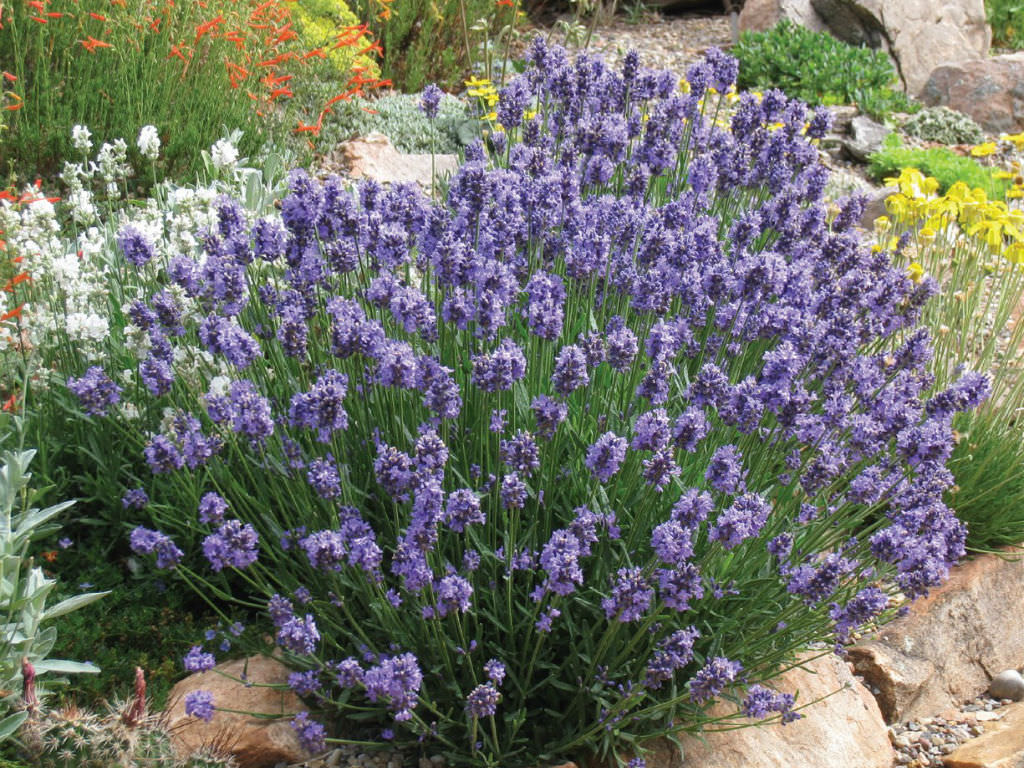
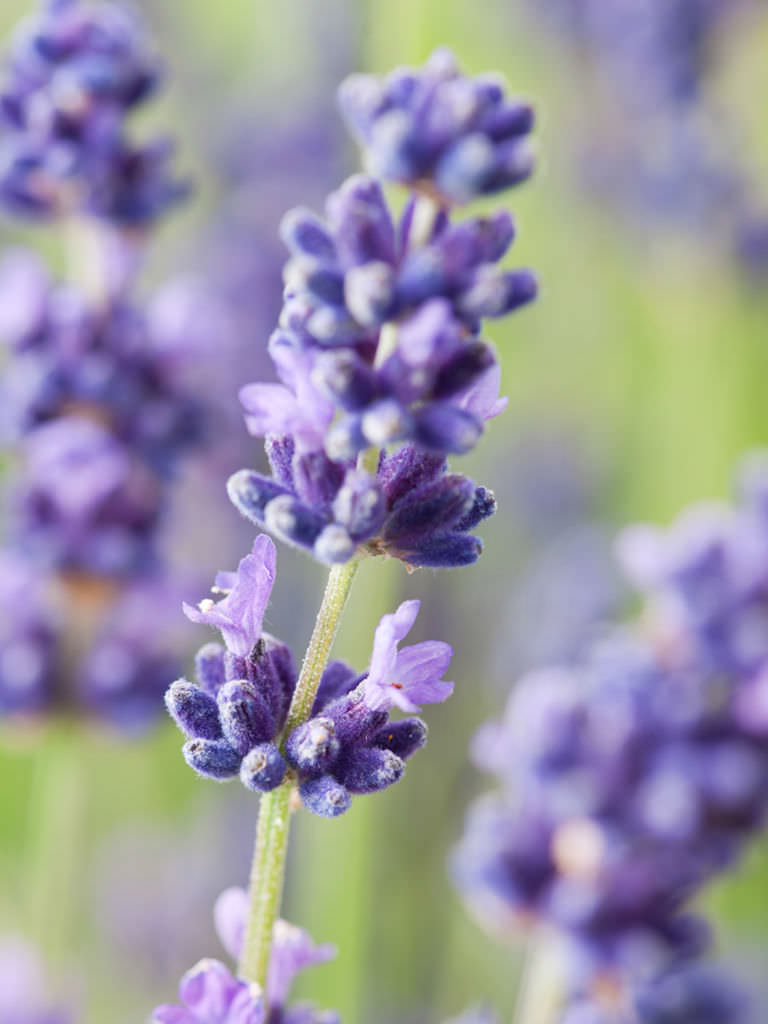
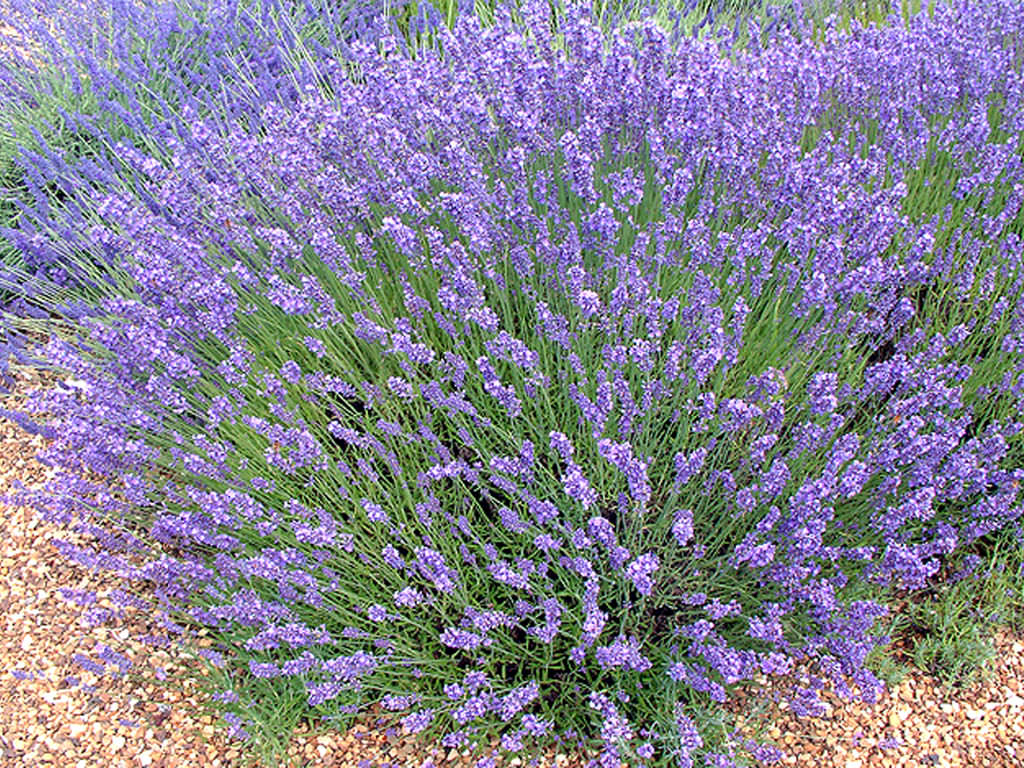
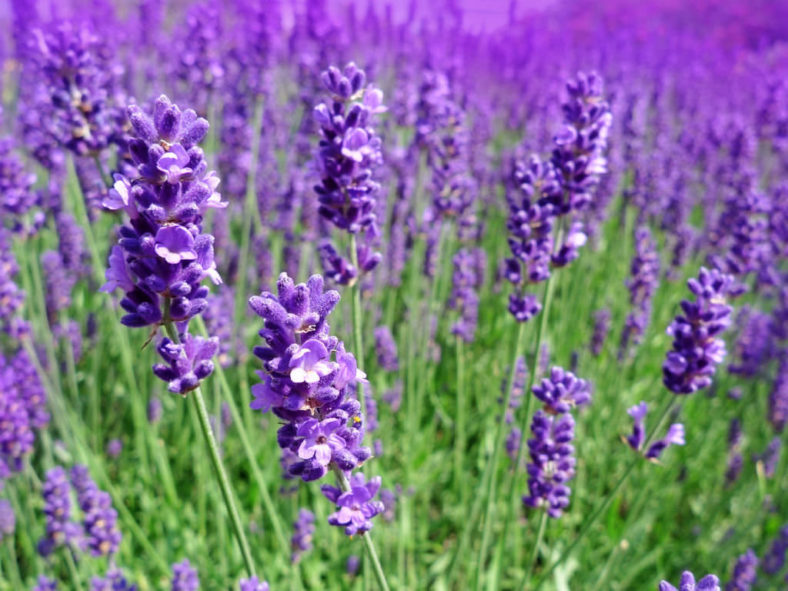
Lavandula angustifolia is a compact, bushy shrub with narrow aromatic grey-green leaves. It grows up to 3.3 feet (1 m) tall and is usually about as wide as tall. It produces long, unbranched stalks in mid and late summer carrying short, dense spikes of fragrant, pale to deep purple flowers.
Cultivars of Lavandula angustifolia
How to Grow and Care for Lavandula angustifolia
Hardiness: USDA hardiness zones 5a to 8b: from -20°F (-28.9°C) to 20°F (-6.7°C).
As with most plants, your success in growing this coveted plant depends on the growing conditions you provide and the varieties you choose. Lavender plants will tolerate many growing conditions but thrive in warm, well-drained soil and full sun.
Like many plants grown for their essential oils, lean soil will encourage a higher concentration of oils. Likewise, alkaline or especially chalky soil will enhance lavender's fragrance.
Although most Lavenders are labeled hardy in USDA Zones 5-9, you can grow Lavender in USDA Hardiness Zone 5, but you're unlikely to have a Lavender hedge. More realistically, you can expect plants that do well when the weather cooperates and may lose a plant or two after a severe winter or a wet, humid summer.
See more at How to Grow and Care for Lavender.
Links
- Back to genus Lavandula
- Plantpedia: Browse flowering plants by Scientific Name, Common Name, Genus, Family, USDA Hardiness Zone, or Origin
Photo Gallery
Click on a photo to see a larger version.