
Scientific Name
Ophrys scolopax Cav.
Synonym(s)
Ophrys scolopax subsp. scolopax, Ophrys arachnites var. scolopax, Ophrys fuciflora subsp. scolopax, Ophrys holoserica subsp. scolopax
Common Name(s)
Woodcock Bee-orchid, Woodcock Orchid
Scientific Classification
Family: Orchidaceae
Subfamily: Orchidoideae
Tribe: Orchidinae
Genus: Ophrys
Origin
Ophrys scolopax is found around the Mediterranean and the Middle East, from Morocco and Portugal to Hungary and Iran.
Flower
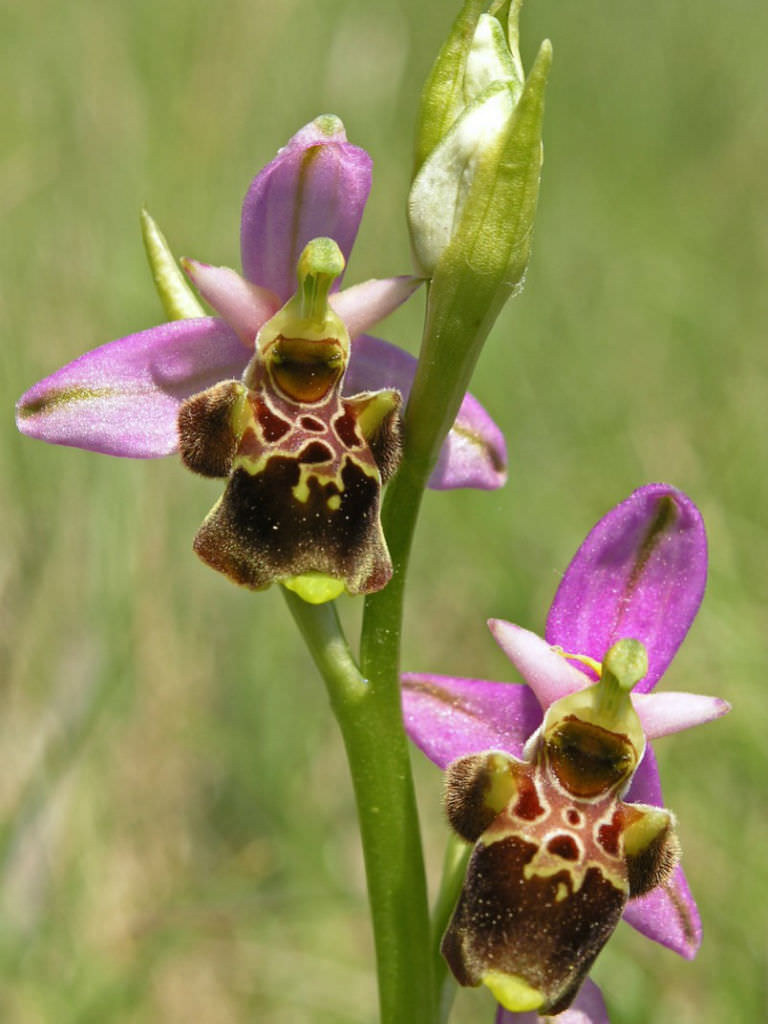
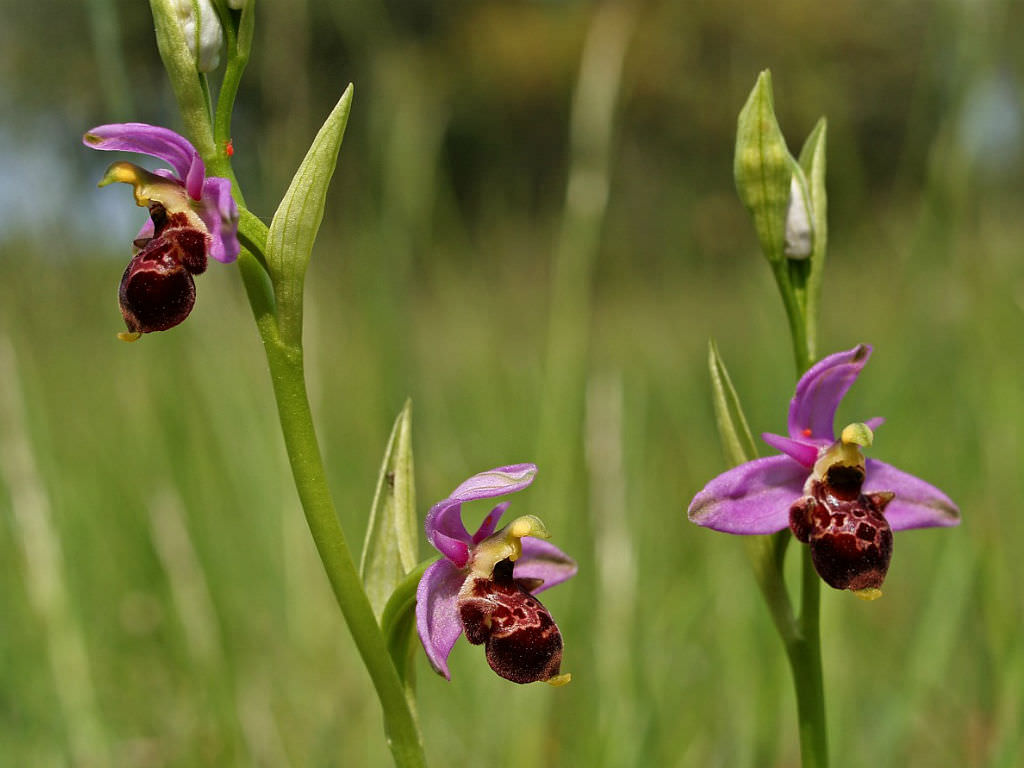
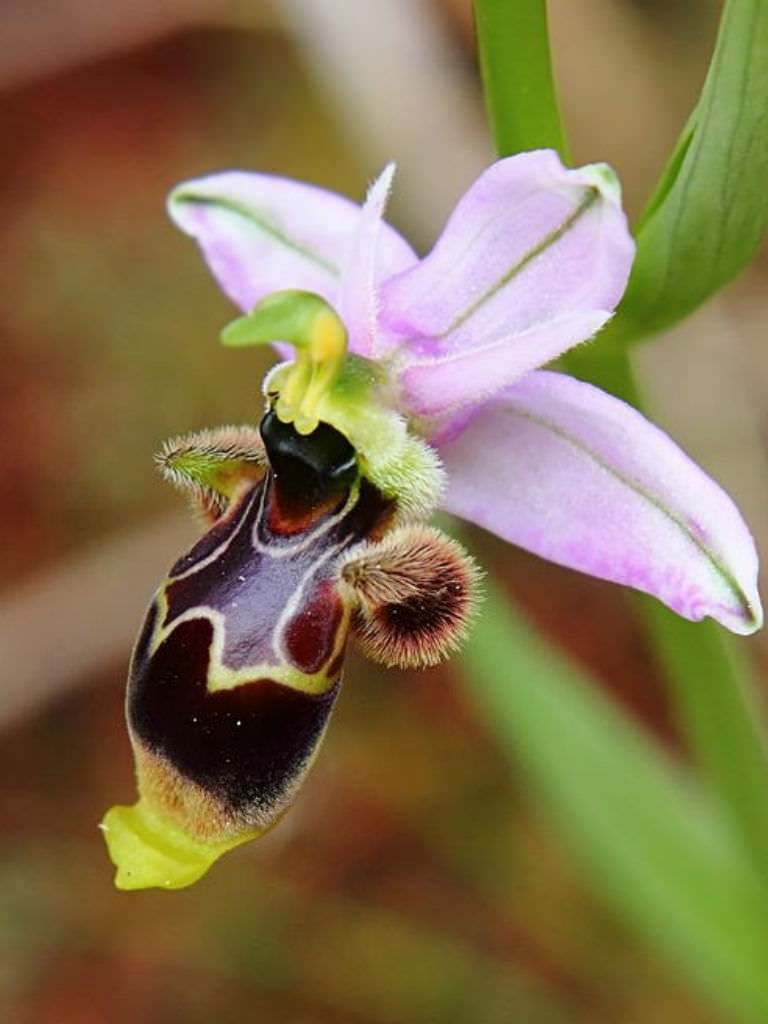
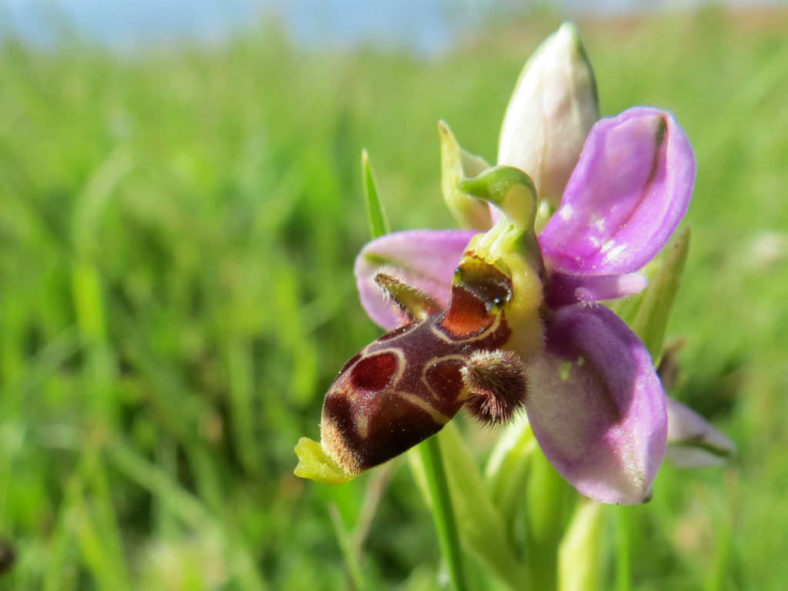
Color: Pink and dark brown
Bloom Time: From March to the beginning of May
Description
Ophrys scolopax is a plant that grows from underground tubers. Leaves typically start to appear above ground in late fall and often begin to yellow when the flowers appear, between March and June in their native habitats.
The flower spike is variable in height, usually up to 20 inches (50 cm) tall, but occasionally up to 3 feet (90 cm). The number of flowers is highly variable, ranging from as few as 2 to as many as 15 or more. Each flower has a standard structure for the genus. The flowers usually have pink sepals and petals, but occasionally, specimens with green or white sepals and petals are found. The flower lip is deeply lobed and dark brown. The shape of the speculum varies, but it is generally dark blue, bordered in white.
How to Grow and Care for Ophrys scolopax
Hardiness: USDA hardiness zone 8a to 10b: from 10°F (-12.2°C) to 40°F (4.4°C).
Generally, orchids can be grouped into three temperature categories: cool, warm, and intermediate. Buy a high-low thermometer to measure the temperature range in your orchid location. After that, choosing a suitable orchid is simple. As with light, some orchids readily adapt to multiple temperature ranges.
Most orchids we grow indoors come from the tropics, and most parts of the tropics are much more humid than the average living room. Therefore, orchids grow better if you increase the humidity in their immediate growing area by grouping them or placing them on a dry well. Create a dry well by placing plastic lattice or pebbles on a tray, then adding water just below the lattice or to the top of the pebbles. Next, place your potted plants on top of the lattice or pebbles.
Anyone who has ever watered an orchid knows that most of what you pour in runs out almost immediately through the bottom of the pot. Because orchids are potted in bark mix rather than potting soil, they need to be watered differently.
See more at How to Grow Orchids Indoors.
Links
- Back to genus Ophrys
- Plantpedia: Browse flowering plants by Scientific Name, Common Name, Genus, Family, USDA Hardiness Zone, or Origin
Photo Gallery
Click on a photo to see a larger version.