
Scientific Name
Viola pedunculata Torr. & A. Gray
Synonym(s)
Viola pedunculata subsp. pedunculata
Common Name(s)
California Golden Violet, Johnny Jump Up, Yellow Pansy, Wild Pansy
Scientific Classification
Family: Violaceae
Subfamily: Violoideae
Tribe: Violeae
Genus: Viola
Origin
Viola pedunculata is native to the coastal ranges in California and northwestern Baja California.
Flower
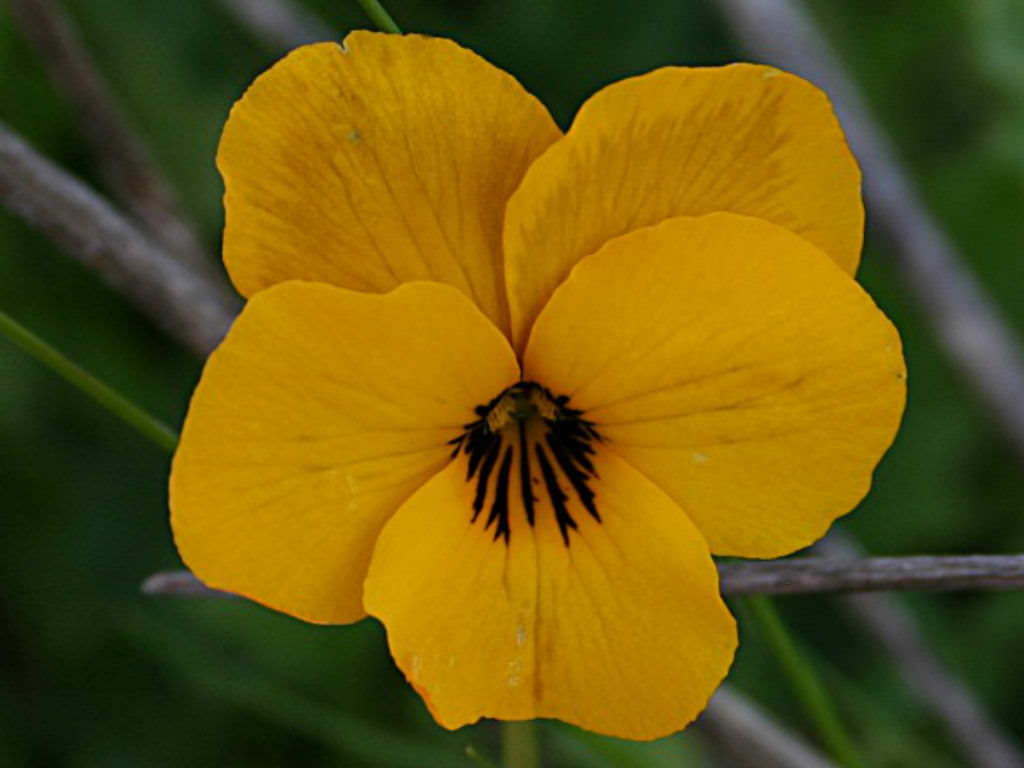
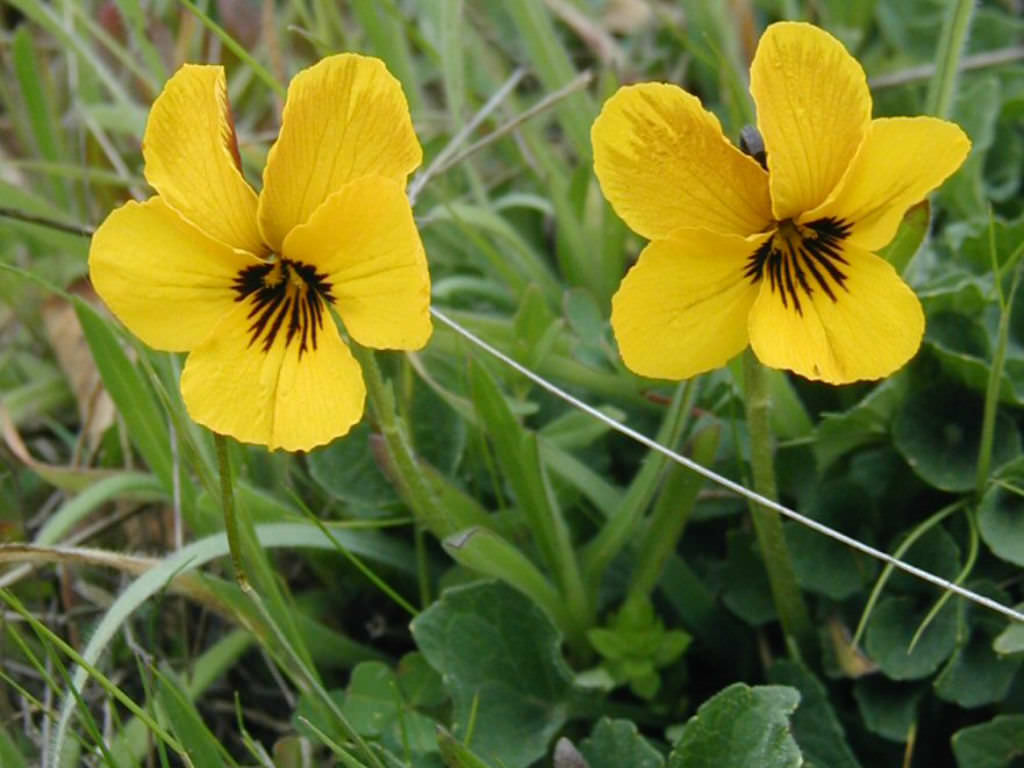
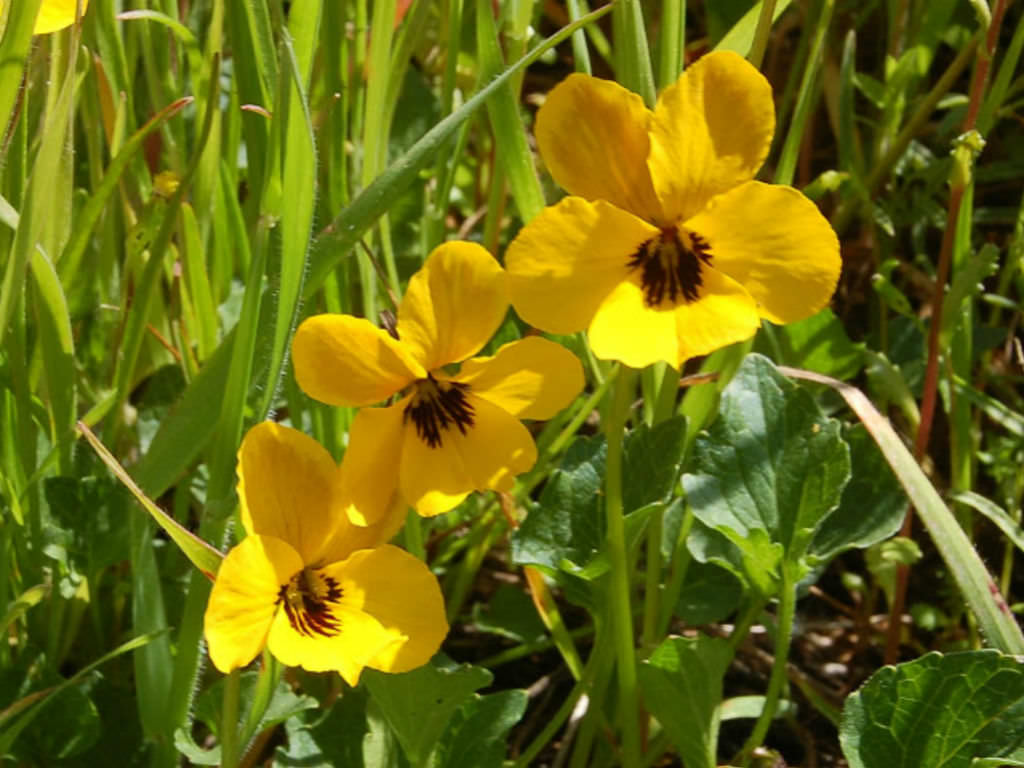
Color: Yellow to yellow-orange
Bloom Time: March and April
Description
Viola pedunculata is a perennial plant that grows from a spongy rhizome. It is often low-growing but can reach up to 6 inches (15 cm) in height. Leaves are heart-shaped to oblong-triangular, up to 2.2 inches (5.5 cm) long, scalloped or toothed, and glabrous or hairy. It is a summer deciduous plant.
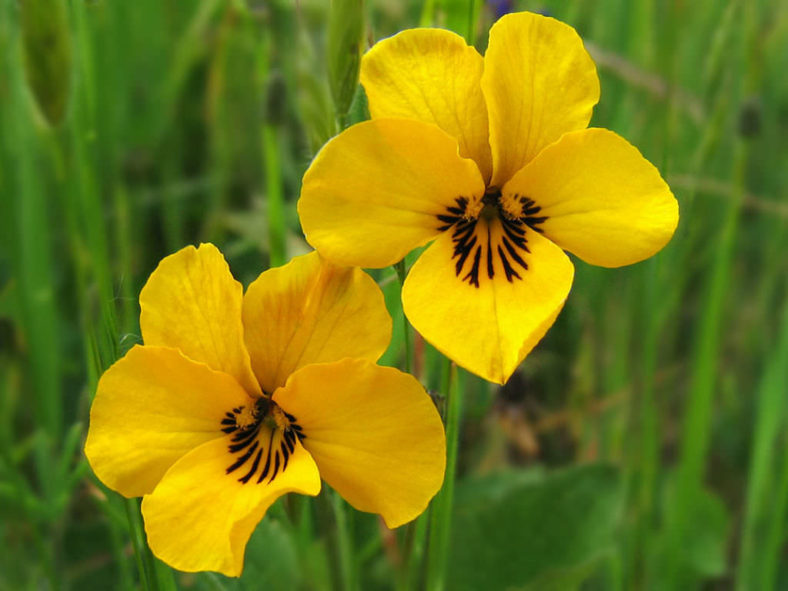
The fragrant flowers appear in March and April and are a rich, saturated yellow to yellow-orange, with brown-purple nectar guides on the lower petals.
How to Grow and Care for Viola pedunculata
Hardiness: USDA hardiness zone 7a to 10b: from 0°F (-17.8°C) to 40°F (4.4°C).
Viola plants prefer cool to warm climates and wilt a bit in mid-summer heat. In warmer areas, we recommend partial shade. They tolerate a variety of soils. Add a general-purpose fertilizer when planting them, then once a month after that. Once your Viola plants are established, they should grow well, even if left unattended. Soil should be moist but not wet. Water them during dry periods, once or twice per week. Keep them well weeded. Remove spent blooms to promote additional blooms and extend the blooming period. This will also keep the appearance neat and beautiful.
Violas are grown from seeds. They like full to partial sun. Viola can be directly seeded into your flower garden or sown indoors for later transplanting. For spring blooms, start your Viola in pots and containers indoors six to eight weeks before the last frost.
See more at How to Grow and Care for Violas.
Links
- Back to genus Viola
- Plantpedia: Browse flowering plants by Scientific Name, Common Name, Genus, Family, USDA Hardiness Zone, or Origin
Photo Gallery
Click on a photo to see a larger version.